◀ Back to Games

Superbloom

A competitive tile-placement tabletop game inspired by California’s superblooms, the sudden seasonal carpets of wildflowers that pull butterflies from miles around. Players are the butterflies. Predict which plants will flourish, place flowers to harness their powers, and hope the bloom favours you over your neighbours.
Year2022, 2023
RoleCo-Game Designer · Illustrator
Studiowith Josh, Phil, Diganta
StackTabletop · Procreate
PlatformTabletop · 2–4 players
Hero shot, the bloom moment, every tile face-up
Replace with photo or key art
Three rounds. Each ends in a sudden field of colour as every tile flips at once.
i.

The brief

Superbloom is a competitive tile-placement game built around a real thing. Every few years, California’s wet winters produce a superbloom, a sudden carpet of wildflowers that pulls butterflies from hundreds of miles, sometimes from across state lines. The butterflies arrive, the flowers compete with each other for sun and space, and the most successful plants are the ones the butterflies chose.

In Superbloom (the game), the players are the butterflies. You don’t grow flowers, you bet on which ones will grow most by placing them on the table. If you and another butterfly pick the same plant, you split the score. The game runs three rounds, and each round ends in a super bloom event where every tile flips over to reveal what actually bloomed.

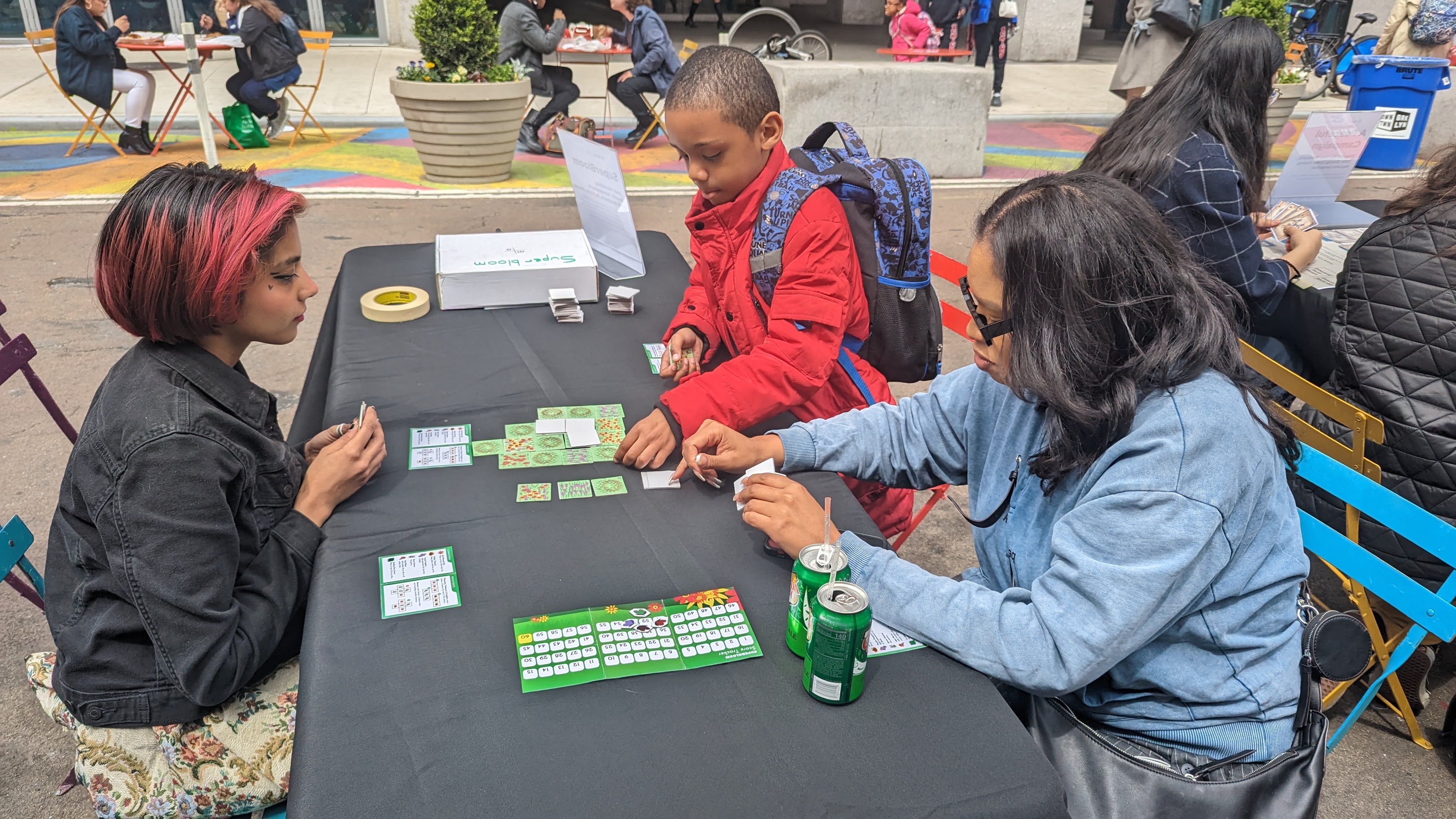
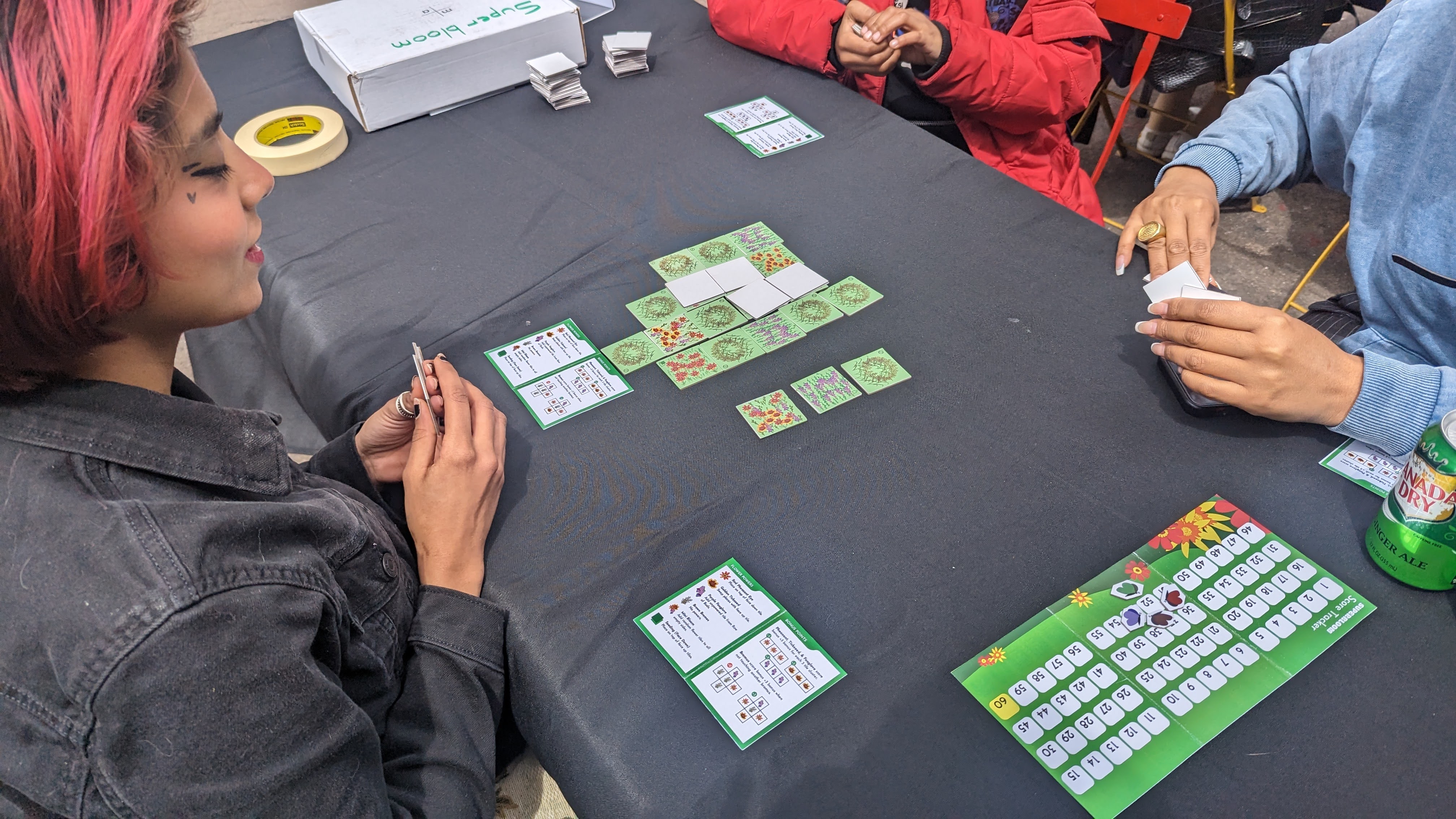
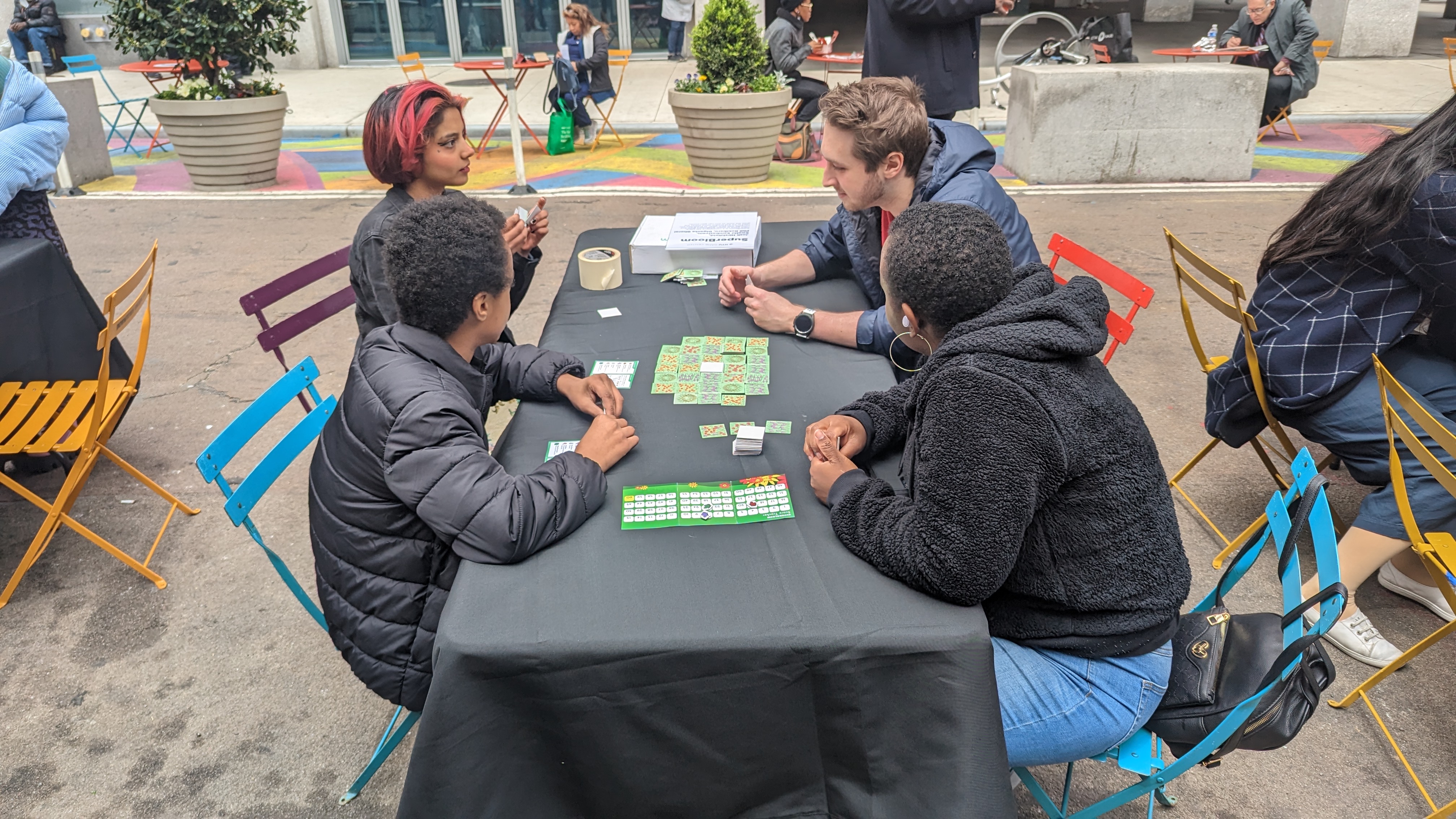
It was built with Josh Hirshfield, Phil Robiverl, and Diganta Ghorai for the NYU Game Center 2022 Winter Showcase, and shown again at the 2023 Parkade at Willoughby Walks.

ii.

The approach

The hook of the design was that prediction had to feel beautiful, not anxious. The reveal at the end of each round , every tile flipping at once to show what actually bloomed , was the moment we built the rest of the game around. The placements during the round are bets. The reveal is the payoff.

To keep prediction interesting we layered in two systems. The first is the shared-pick punishment: if multiple butterflies bet on the same plant, the points split, which keeps the table reading each other’s intentions. The second is the seeded reward: instead of playing a flower face-up to use its power, you can plant it face-down, a hidden bet that pays out at the end. Both systems pulled the game away from optimal play and toward conversation.
Reference, the California superbloom itself
Replace with reference photo or moodboard
Fig 1. The real-world moment the game is trying to capture, a sudden, overwhelming carpet of colour at the end of a wet winter.
Prediction had to feel beautiful, not anxious. The reveal at the end of each round was the moment we built the rest of the game around.
Design notes
iii.

The work

Four pieces of the design did most of the work: the prototype, the rules, the card illustrations, and the showings.

One · Prototyping
Balancing the bet

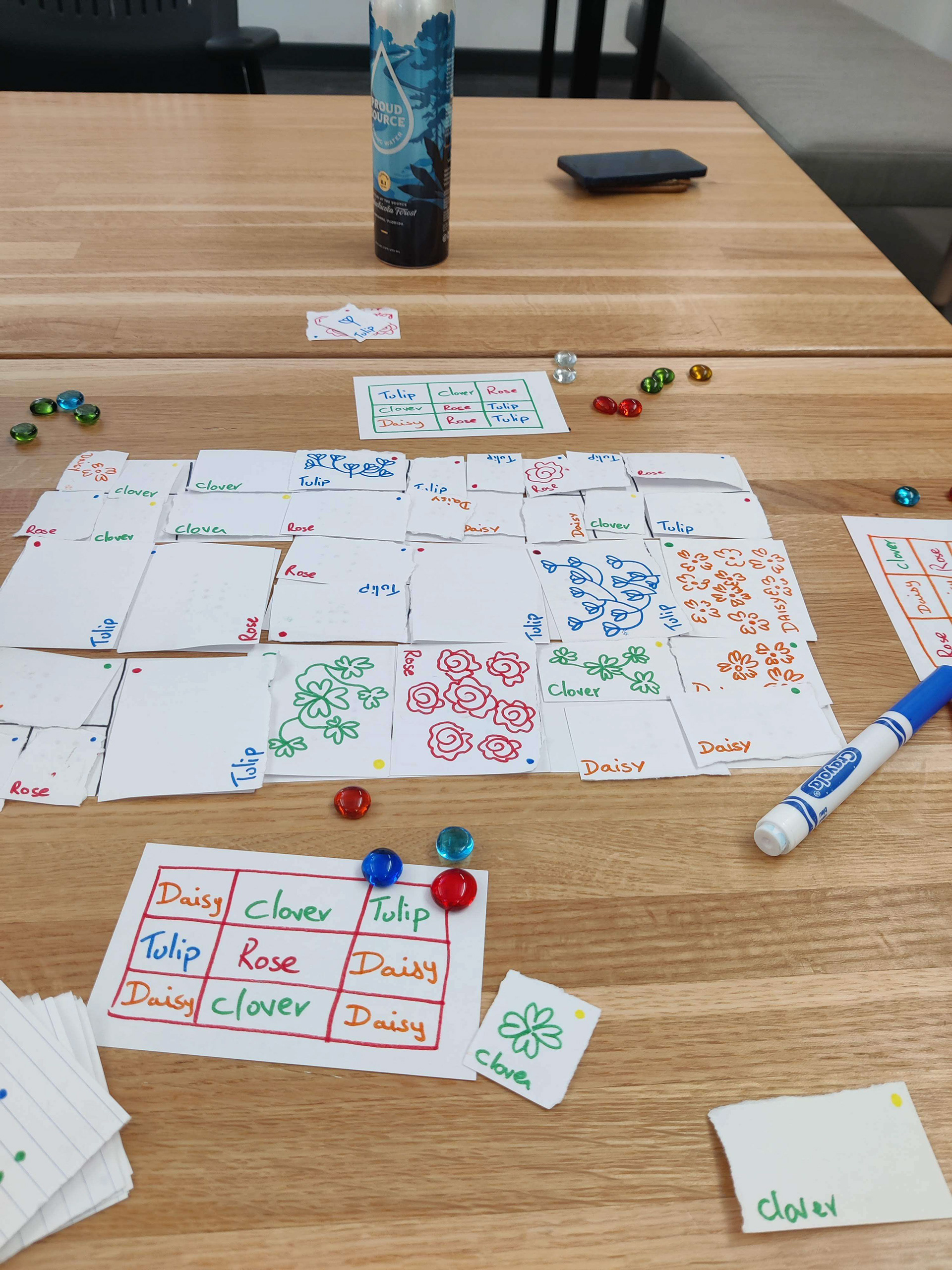
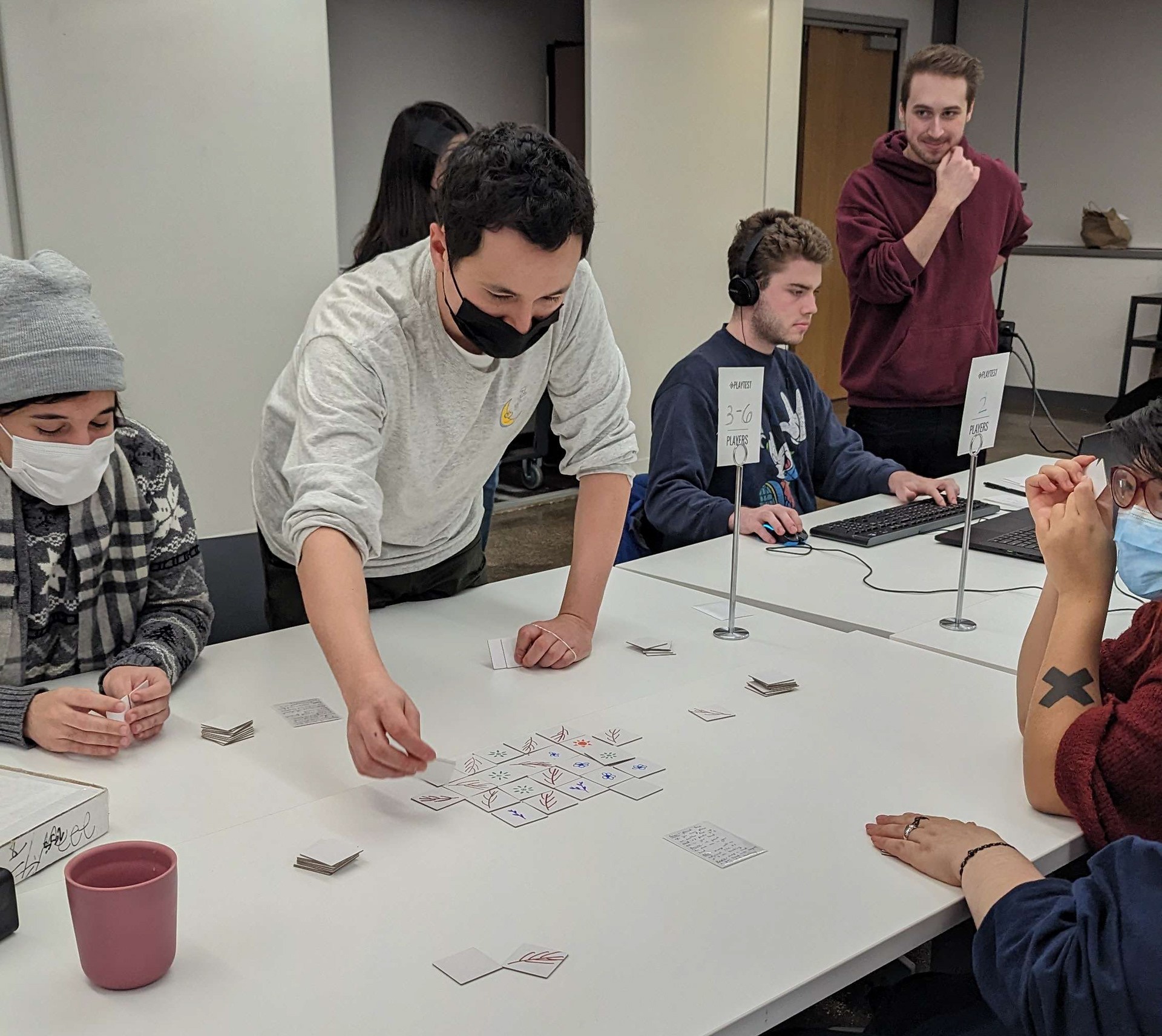
We built and reworked the prototype across the semester. Most of the iteration was on the balance between using a flower’s special power face-up and seeding it face-down. Early decks had too many face-down options, which made the game feel like a long wait. Later decks tilted toward face-up play, with face-down kept rarer and more rewarding.
Early prototype deck
Replace with photo
Late prototype, the balance landed
Replace with photo
Two · Rules
Five minutes to first bloom

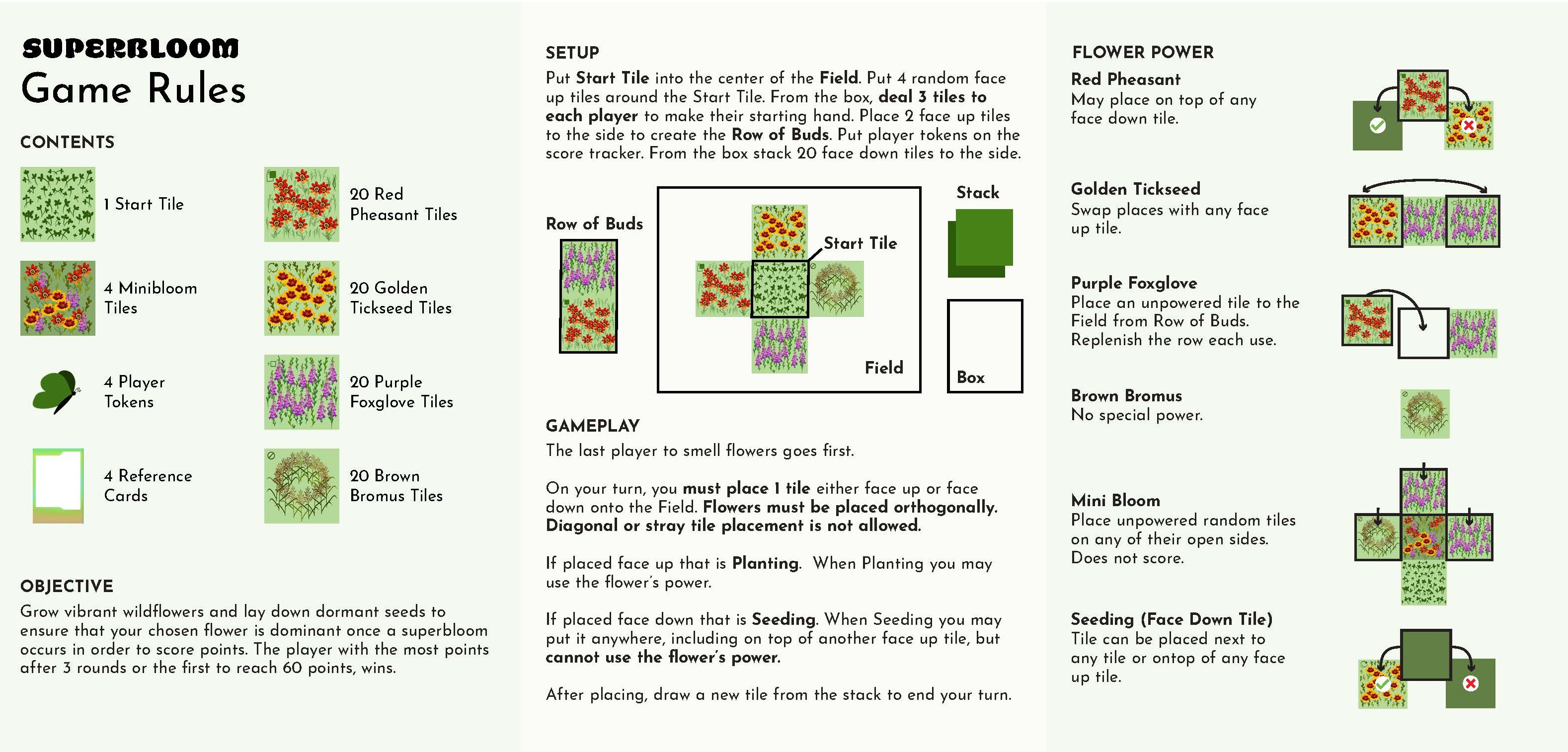
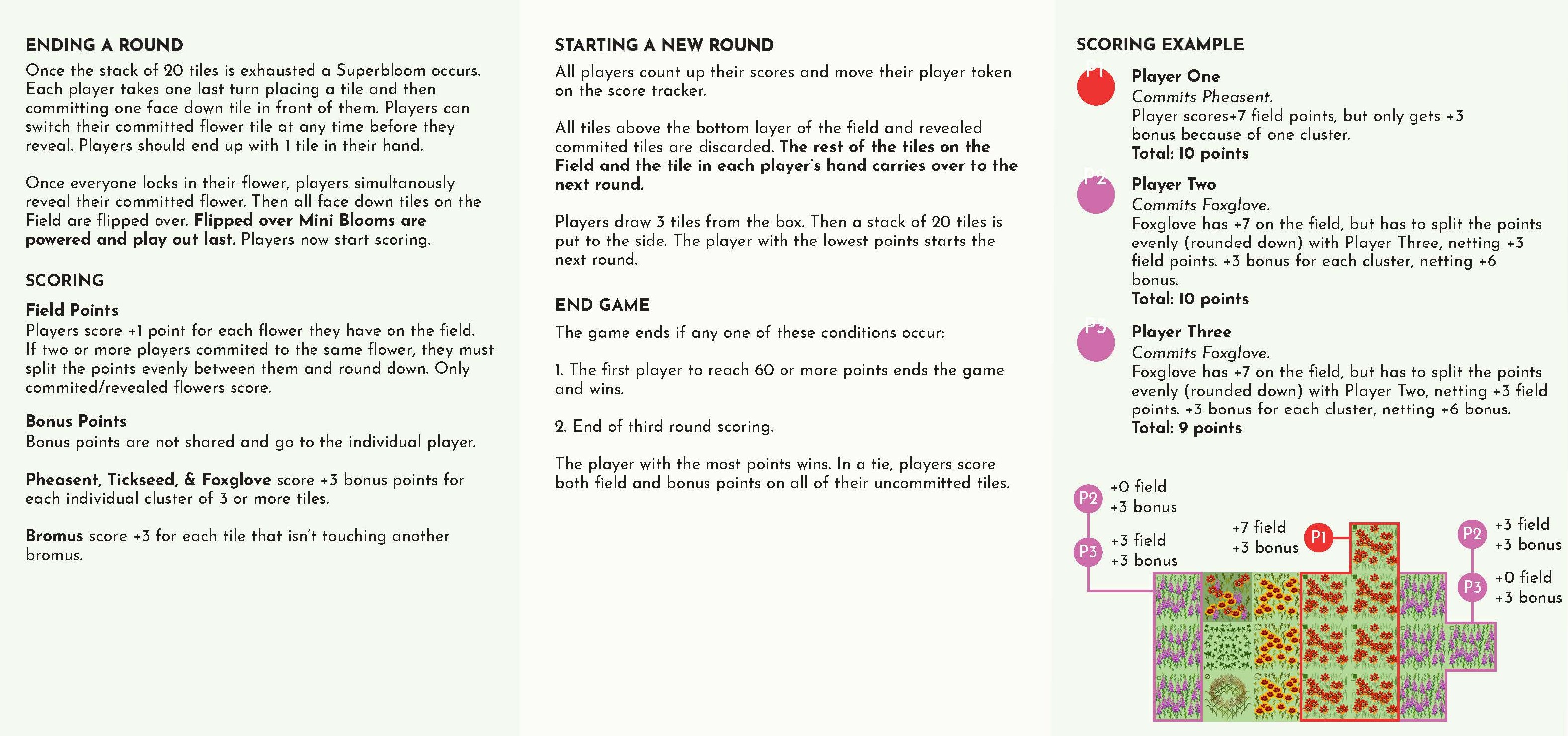
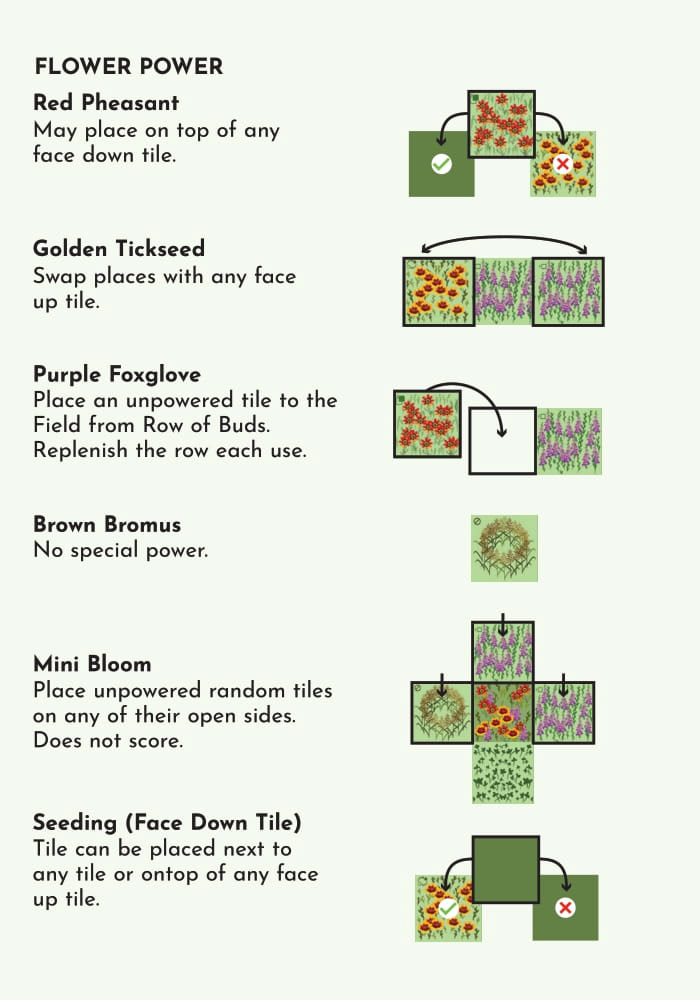
The rules sheet sits on a single fold. Two pages of how-to-play and a short summary card per player. The brief was to teach the game in under five minutes, and to make the reveal moment feel like a turning of the page, not a calculation.

Rules sheet & player reference
Replace with image
Fig 2. The whole rule set on one fold, with the bloom event called out as the moment the round resolves.
Three · Card Illustration
A bet and a bloom, in two halves of the same card

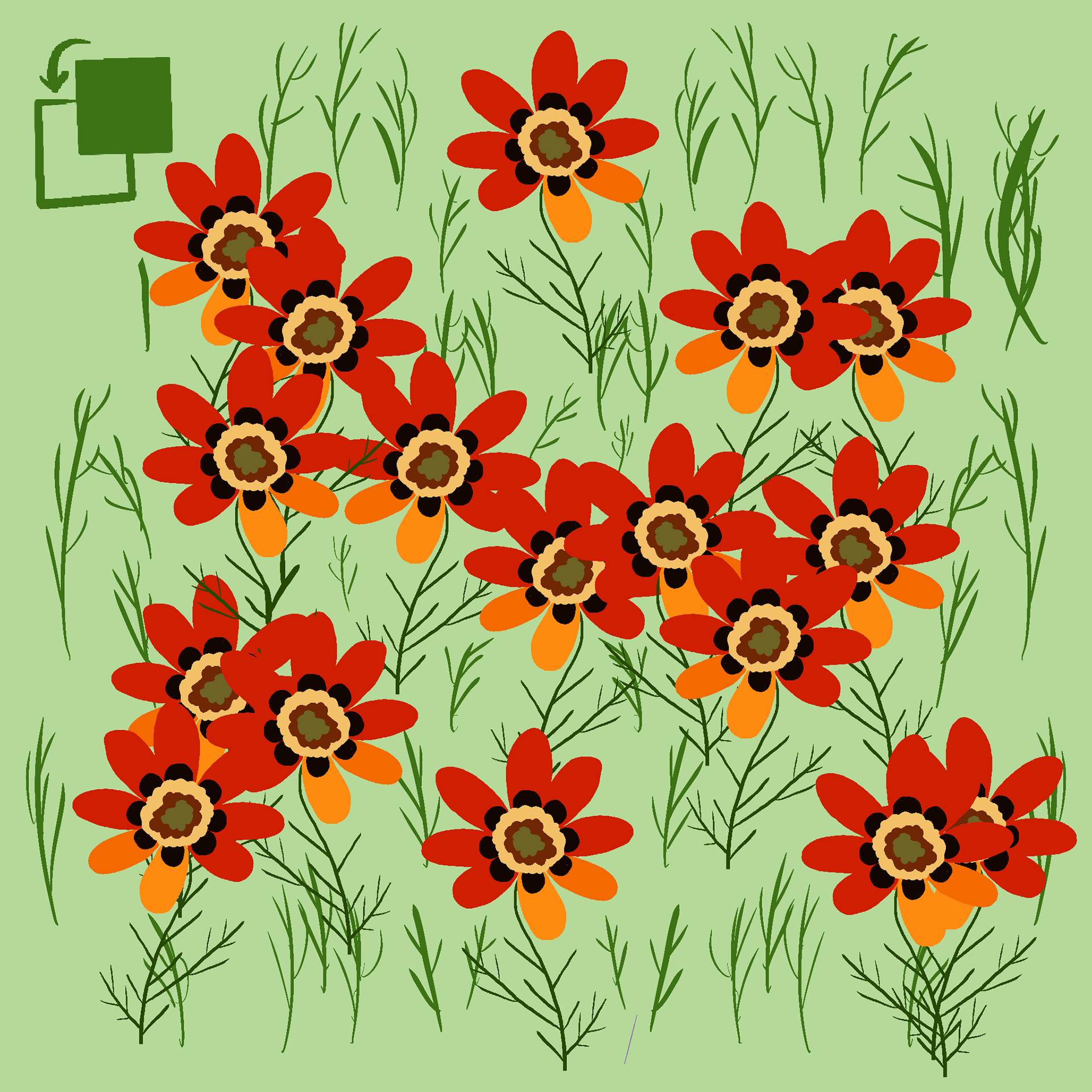
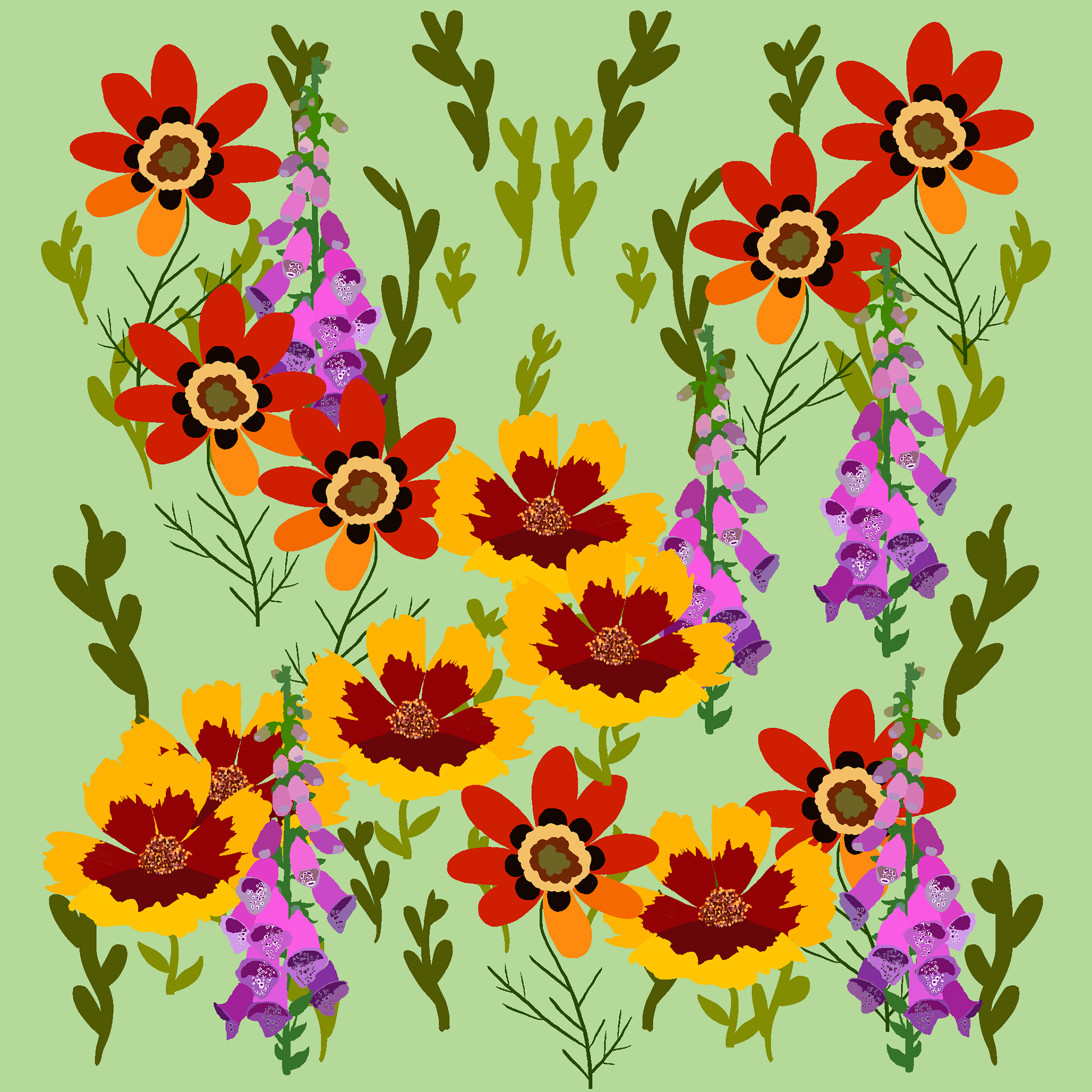
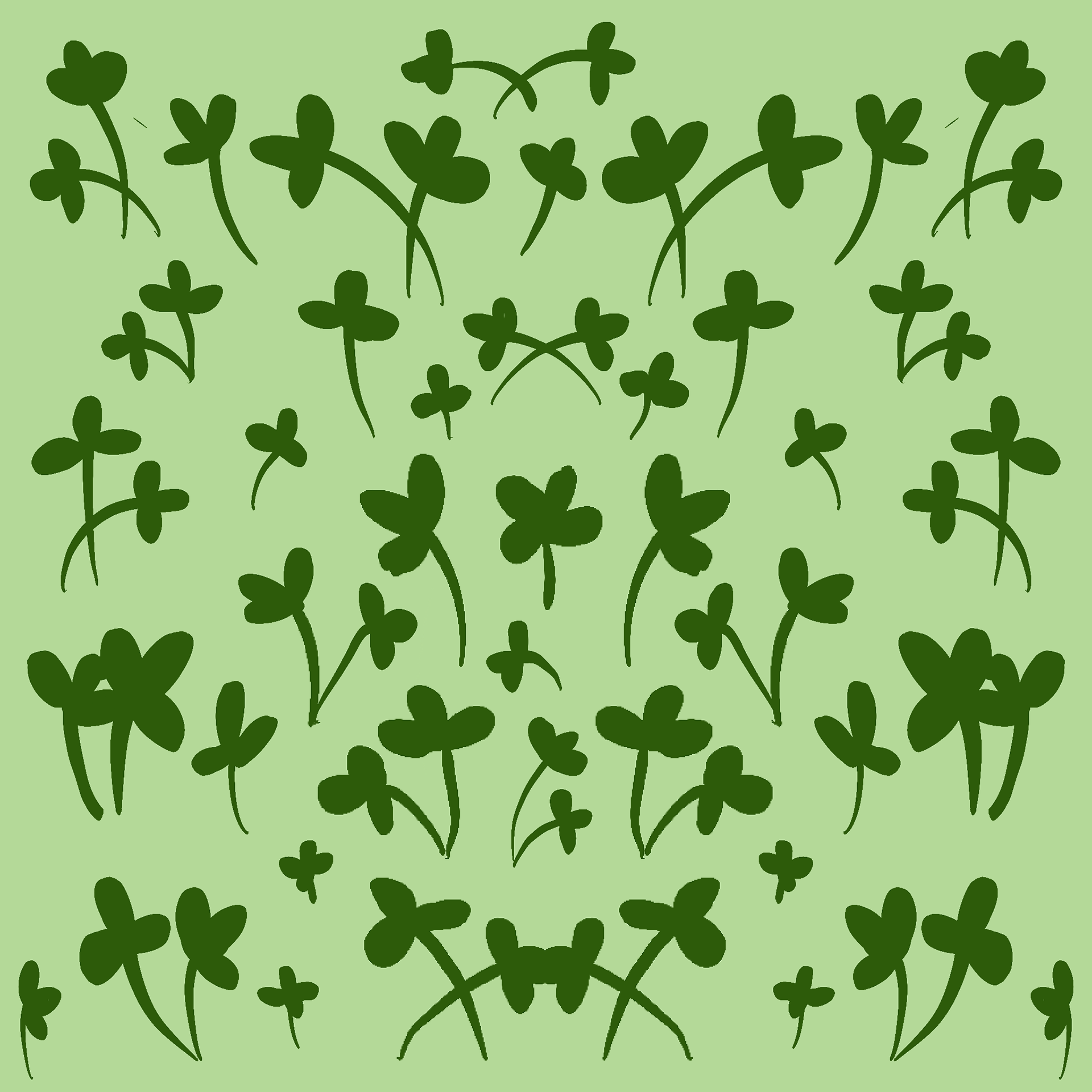
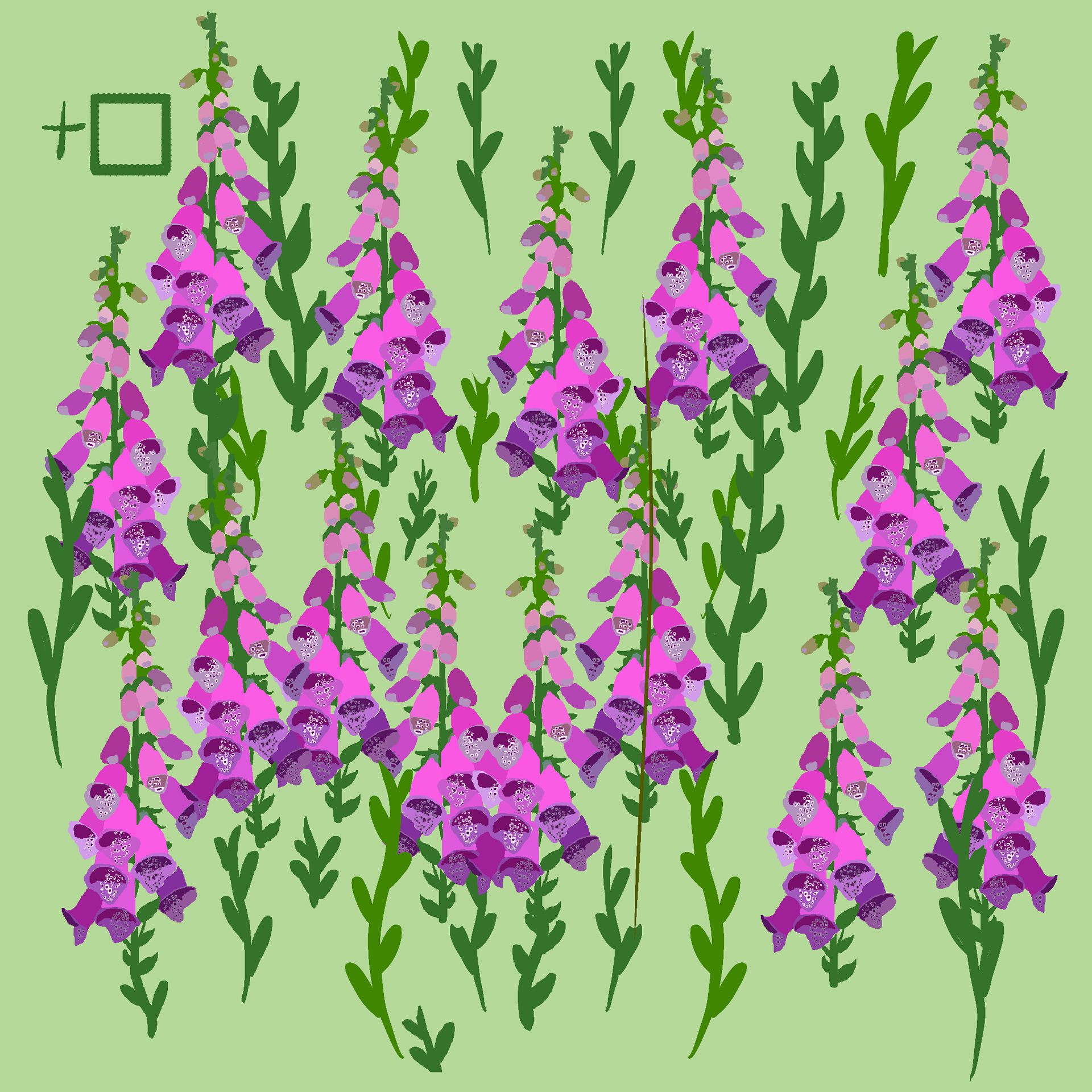
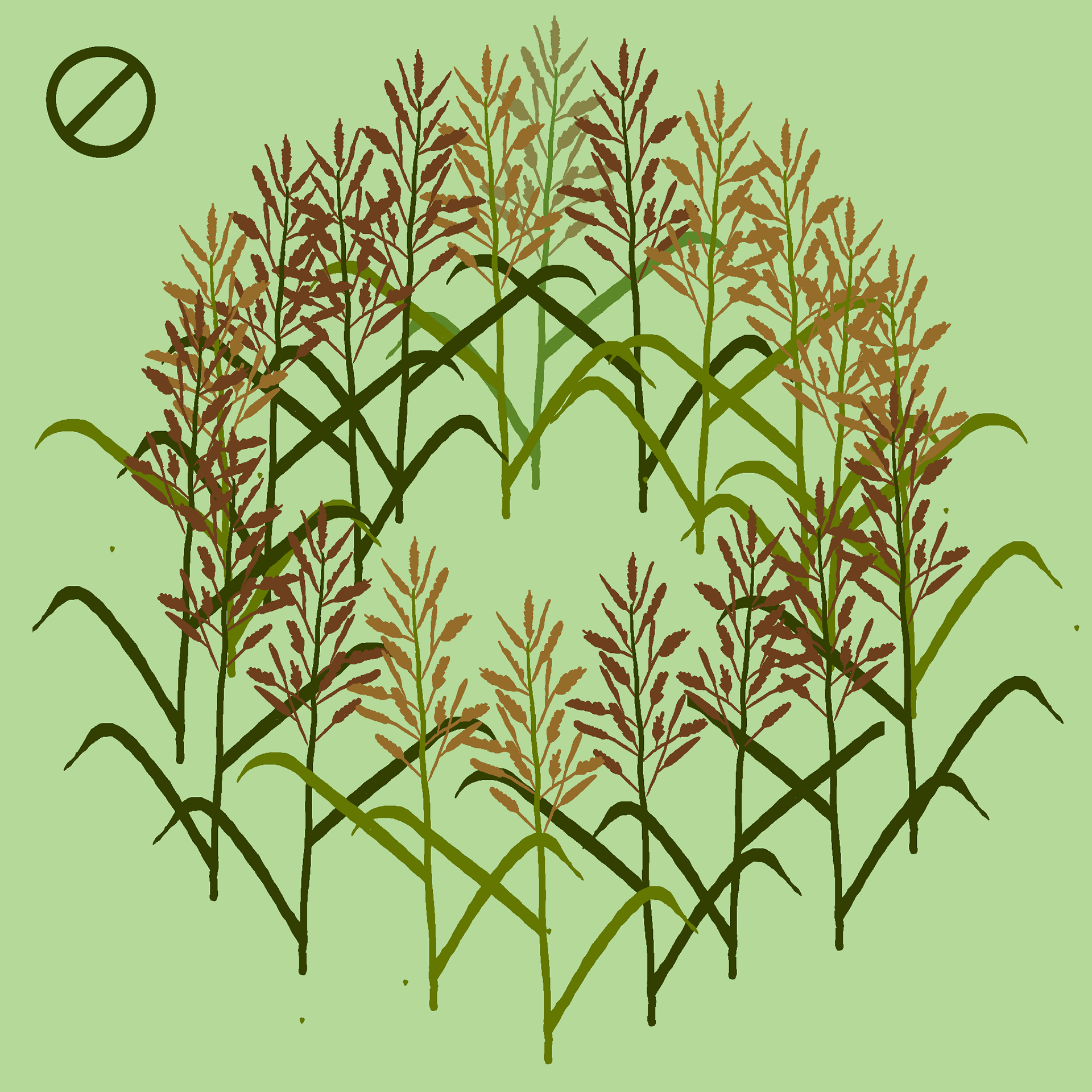
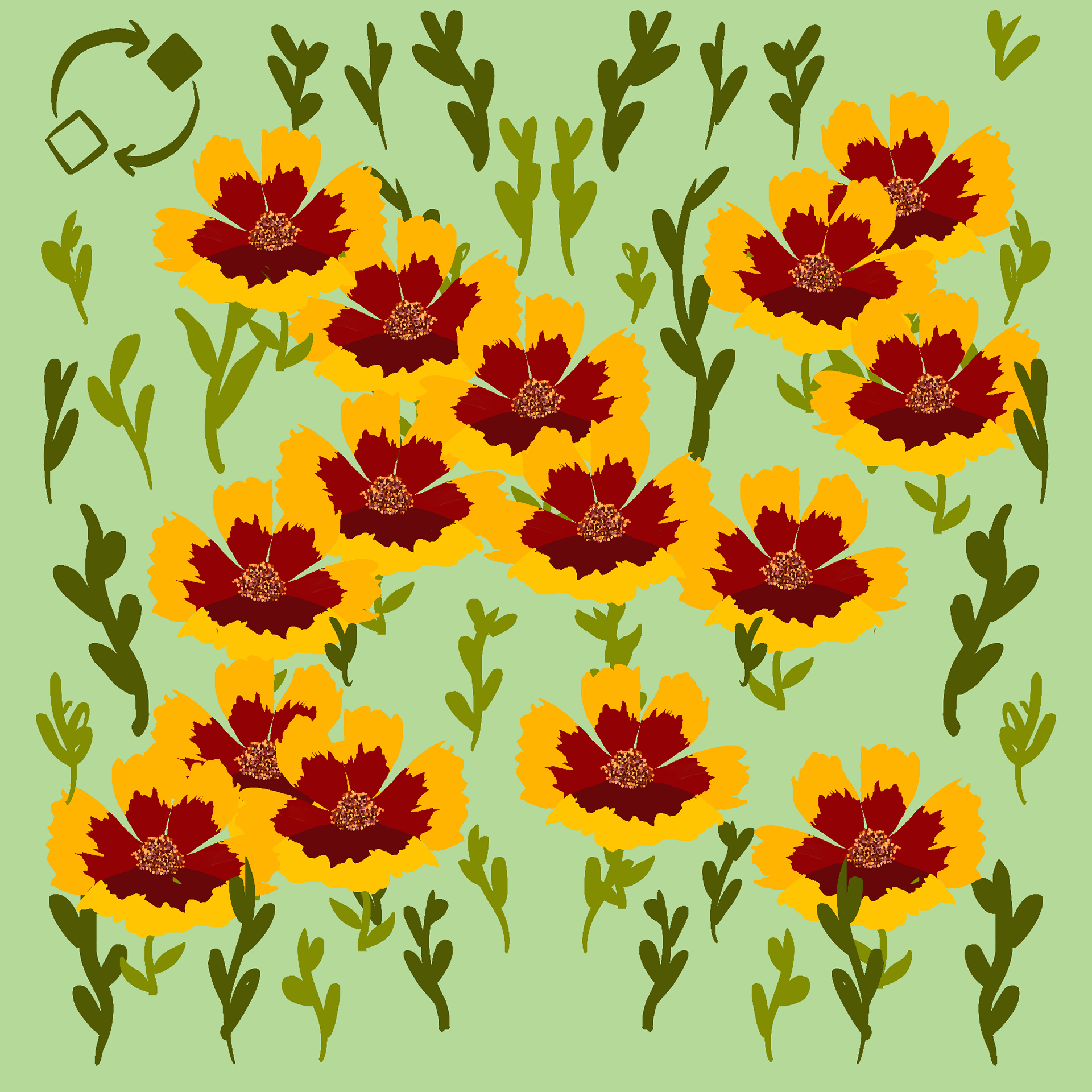
I illustrated the deck. Each flower has its own card art , the same plant in two visual registers: the bet (face-down) and the bloom (face-up). The reveal is dramatic because the art shifts visibly when every card flips at once. The deck pulls from real California wildflower species; the illustrations are slightly stylised to keep the read clear at a glance.

Card, the bet
Replace with art
Card, the bloom
Replace with art
Four · Showings
Two minutes from calculation to colour

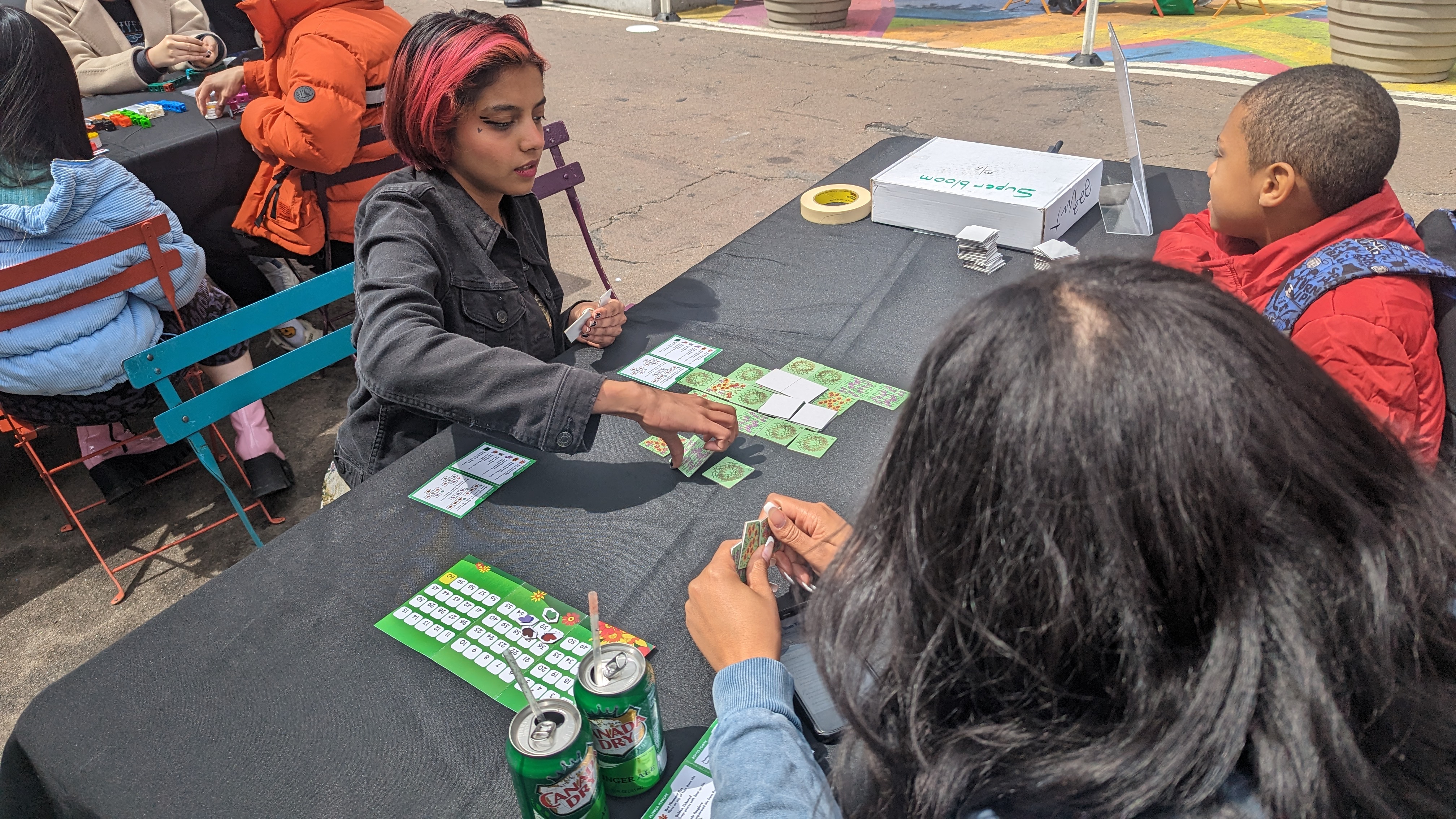
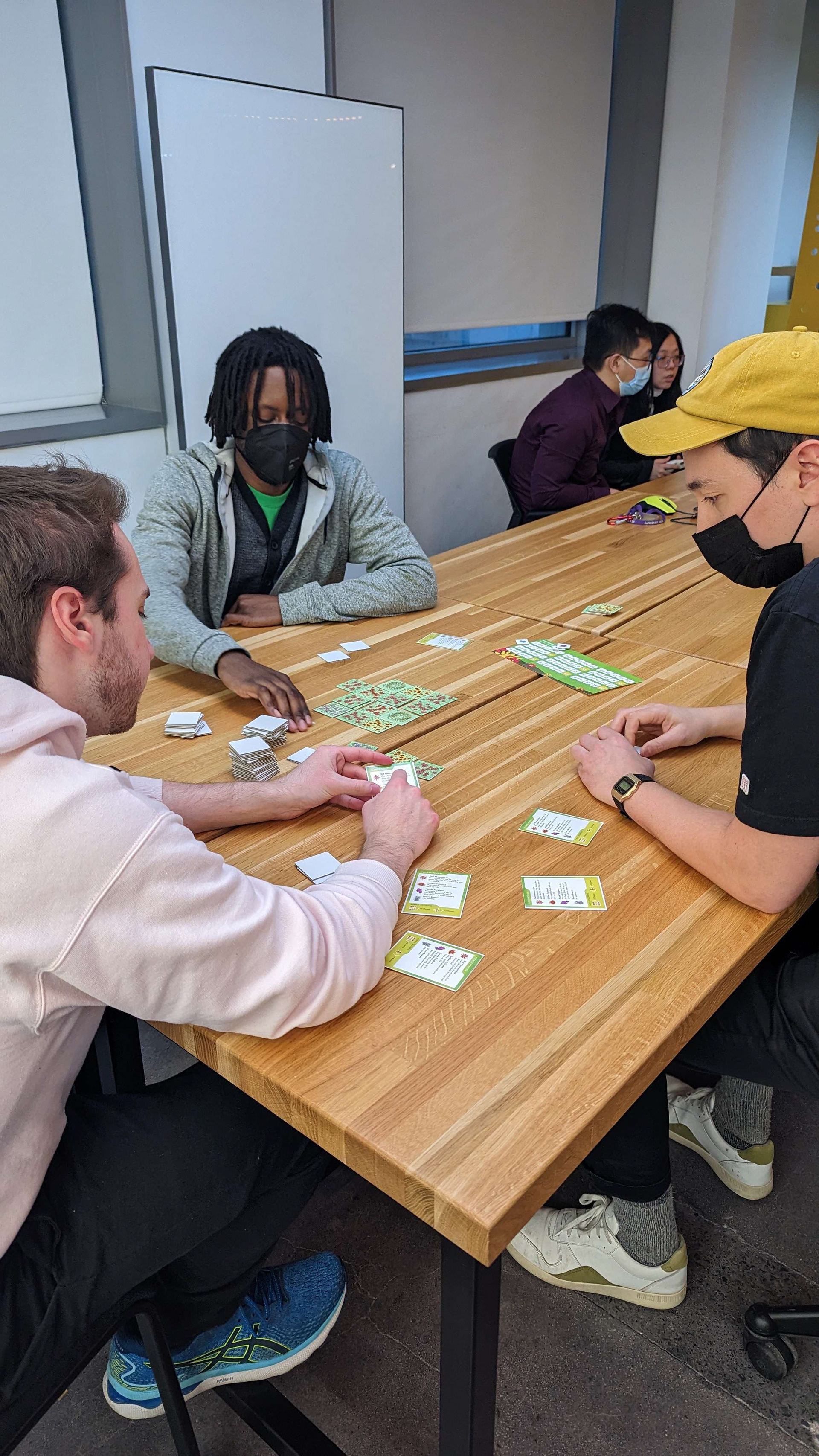
Superbloom was shown at the NYU Game Center 2022 Winter Showcase and at the 2023 Parkade at Willoughby Walks. People kept saying the bloom moment was the part that surprised them, a quiet calculation game ending in a sudden tableau of colour every couple of minutes.

Showing at the Winter Showcase
Replace with photo
Showing at the Parkade
Replace with photo
iv.

How it landed

Featured at the NYU Game Center 2022 Winter Showcase and the 2023 NYU Game Center Parkade at Willoughby Walks.

The reveal, the bloom, is the part players keep talking about after the game ends. Three rounds is the right length; the game stops just before anybody’s strategy hardens into routine.

Credits

Team

Josh Hirshfield
Phil Robiverl
Diganta Ghorai

Built at NYU Game Center.

Tools

Procreate · Illustrator
Photoshop
Card stock & tabletop prototyping

Recognition

NYU Winter Showcase · 2022
Parkade @ Willoughby Walks · 2023

Back to the top of the list
StarStarter